
Description
Product Overview
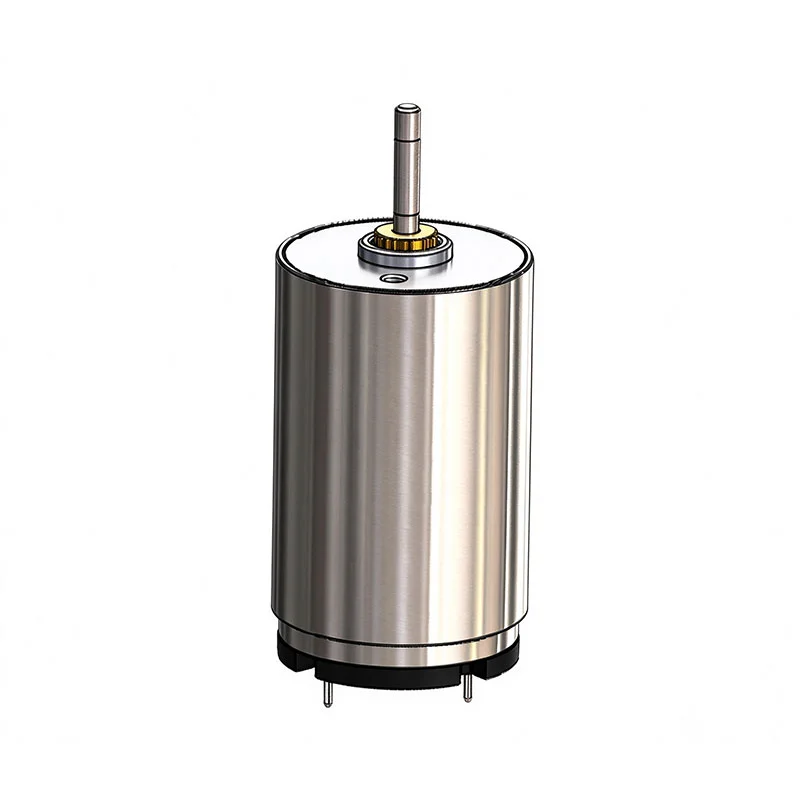
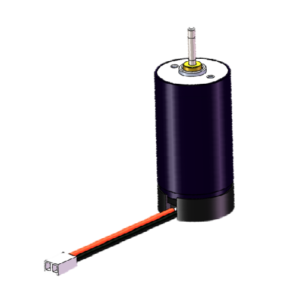
The 16SYYK30D09-N01 uses a rotating winding without an iron core. Current passes through brushes and a commutator, allowing the winding to interact with the permanent magnetic field and generate torque.
Removing the rotating iron core reduces rotor inertia and eliminates the cogging associated with slotted iron-core rotors. This construction can benefit mechanisms that need frequent starts or changes in speed.
The motor supplies rotary motion rather than inherent position control. Applications requiring a defined stopping position can combine the drive with suitable sensors, feedback electronics, and mechanical components.
Key Features
Coreless Rotor Design
The rotor winding operates without a supporting iron core within the active winding assembly. This construction reduces the rotating mass and avoids magnetic cogging caused by rotor teeth.
Responsive Rotary Movement
Low rotor inertia supports a rapid response to changes in drive input. Actual acceleration depends on available torque, controller settings, and the inertia of the driven components.
Brushed DC Operation
Brushes and a commutator perform the electrical switching required for rotation. A suitable DC supply can operate the motor without an electronic commutation system.
Adjustable Drive Control
A compatible controller can manage speed and operating periods. Where closely regulated speed matters, feedback can help compensate for changes in load.
Transmission Integration
The output shaft can connect to a matching coupling or reduction mechanism. Selecting an appropriate transmission helps match motor rotation to the equipment’s movement requirements.
| Parameter | Unit | Specification |
|---|---|---|
| Rated Voltage | V DC | 9 |
| No-Load Speed | rpm | 10000 |
| No-Load Current | A | 0.015 |
| Speed Constant | rpm/V | 1111 |
| Rated Current | A | 0.075 |
| Rated Speed | rpm | 9000 |
| Rated Torque | mN·m | 0.72 |
| Stall Current | A | 1.29 |
| Stall Torque | mN·m | 11.05 |
| Maximum Efficiency | % | 72 |
| Terminal Resistance | Ω | 7.0 |
| Ambient Temperature | °C | −20 to +60 |
| Maximum Permissible Winding Temperature | °C | +80 |
| Noise Level | dB | ≤45 |
| Parameter | Specification |
|---|---|
| Brush Type | Precious Metal Brushes |
| Bearing Type | Oil-Impregnated Bearings |
| Number of Commutator Segments | 5 |
| Number of Pole Pairs | 1 |
| Connection Type | Terminals |
Potential Applications
Depending on its confirmed specifications and mechanical compatibility, the 16SYYK30D09-N01 Brushed Coreless Motor may suit:
- Instrument Mechanisms: Driving movable components within measurement and adjustment assemblies.
- Optical Adjustment Systems: Supplying rotary input to compatible focusing or alignment mechanisms.
- Small Actuators: Operating linkages or screw-driven assemblies through a suitable transmission.
- Portable Equipment: Providing movement within the available power and thermal limits.
- Automation Devices: Performing intermittent rotation coordinated with controller commands.
Speed and Direction Control
Motor speed depends on the electrical input and applied load. A suitable controller can adjust the drive input to match the required movement pattern.
For versions that support reversal, an appropriate controller can change rotation direction. Acceleration and braking settings should account for the connected mechanism’s inertia.
Frequent reversals and abrupt stops can increase electrical and mechanical stress. Evaluating the complete movement cycle helps establish suitable control settings.
Electrical Integration
Match the supply and controller to the motor’s confirmed electrical requirements. Include startup current and potential stall conditions when selecting the drive electronics.
Current limiting can help manage excessive torque demand. Avoid prolonged stalled operation, which can cause rapid winding heating.
Assess temperature rise during representative operation, including repeated starts and extended loading. Coreless construction still requires careful thermal and duty-cycle matching.
Mechanical Installation
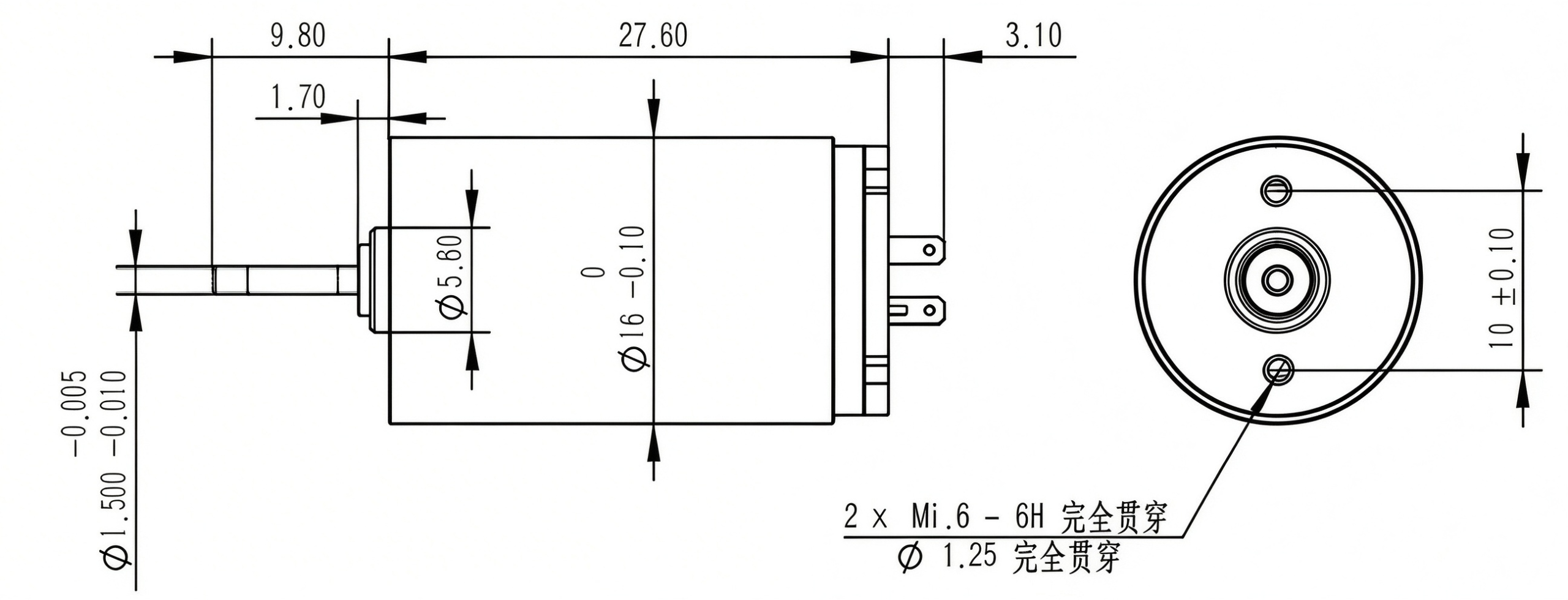
Verify mounting details, shaft geometry, and surrounding clearance against the product drawing. Align the output shaft with the driven component before securing the connection.
Use a compatible coupling and avoid assembly forces that could damage the bearings or internal components. Provide separate support where the mechanism introduces excessive radial or axial loads.
Protect motor leads from pulling, repeated bending, and contact with moving parts. Allow suitable heat dissipation within the equipment enclosure.
Service Life and Application Matching
Brushes and the commutator experience wear during operation. Service life depends on speed, load, switching frequency, environmental conditions, and the motor’s construction.
Evaluate the required torque, movement response, operating cycle, and expected service life together. Testing the 16SYYK30D09-N01 within the intended equipment helps assess movement consistency, controller compatibility, noise, and temperature rise.

Reviews
There are no reviews yet.