
Description
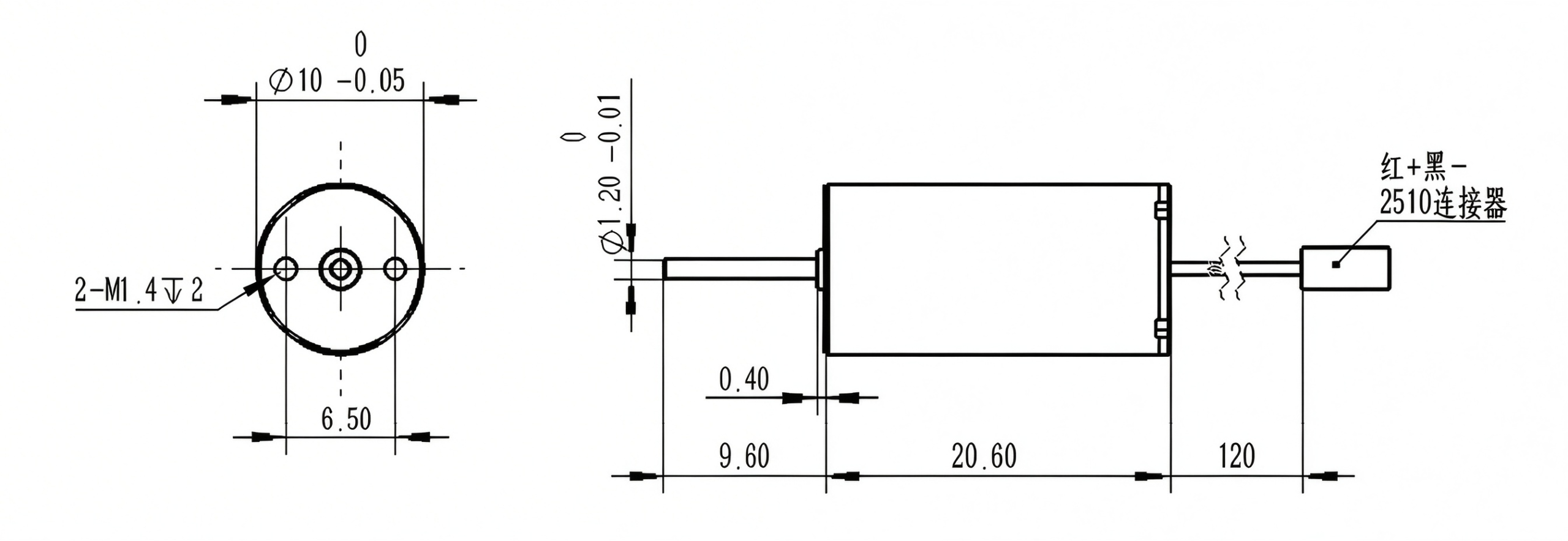
Product Overview
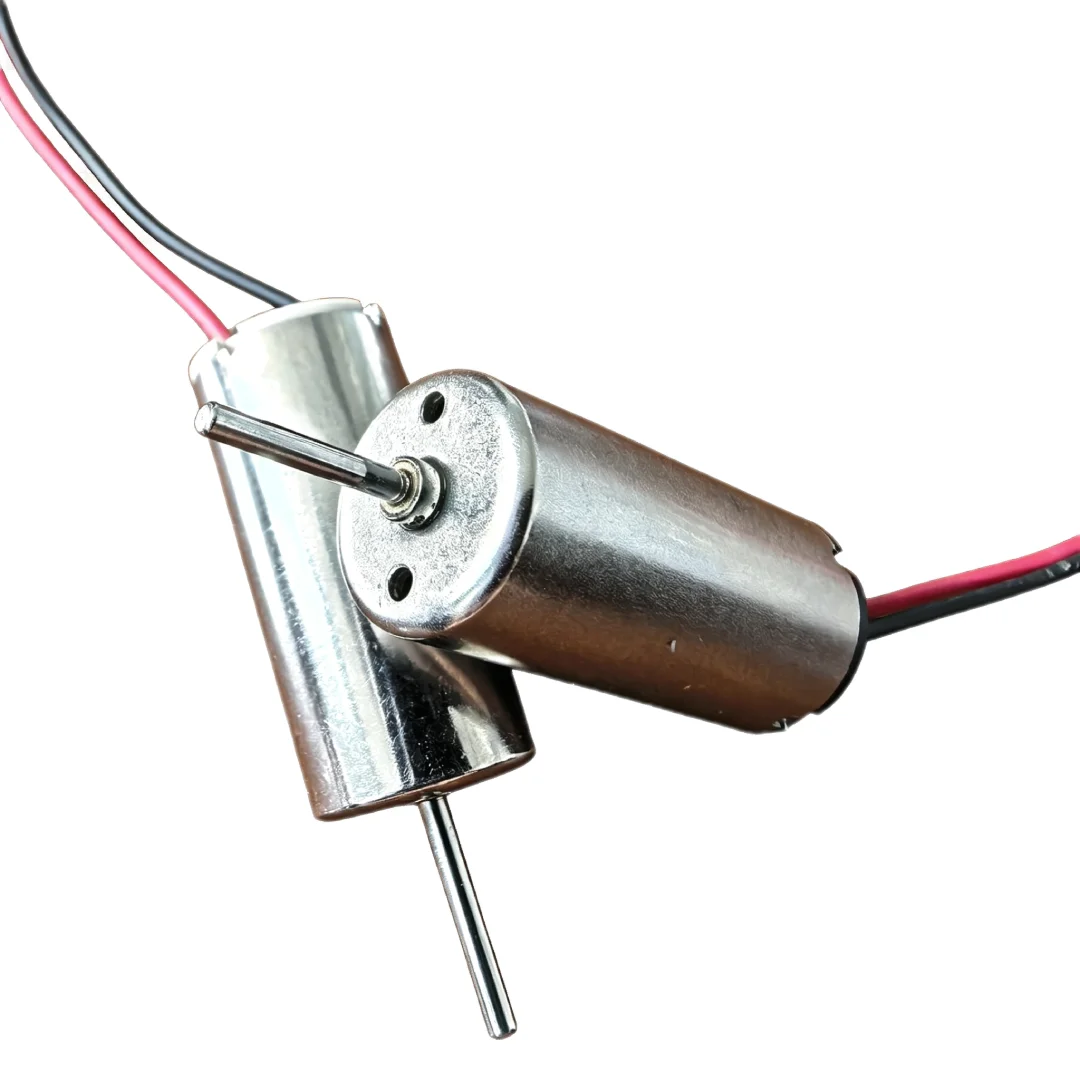
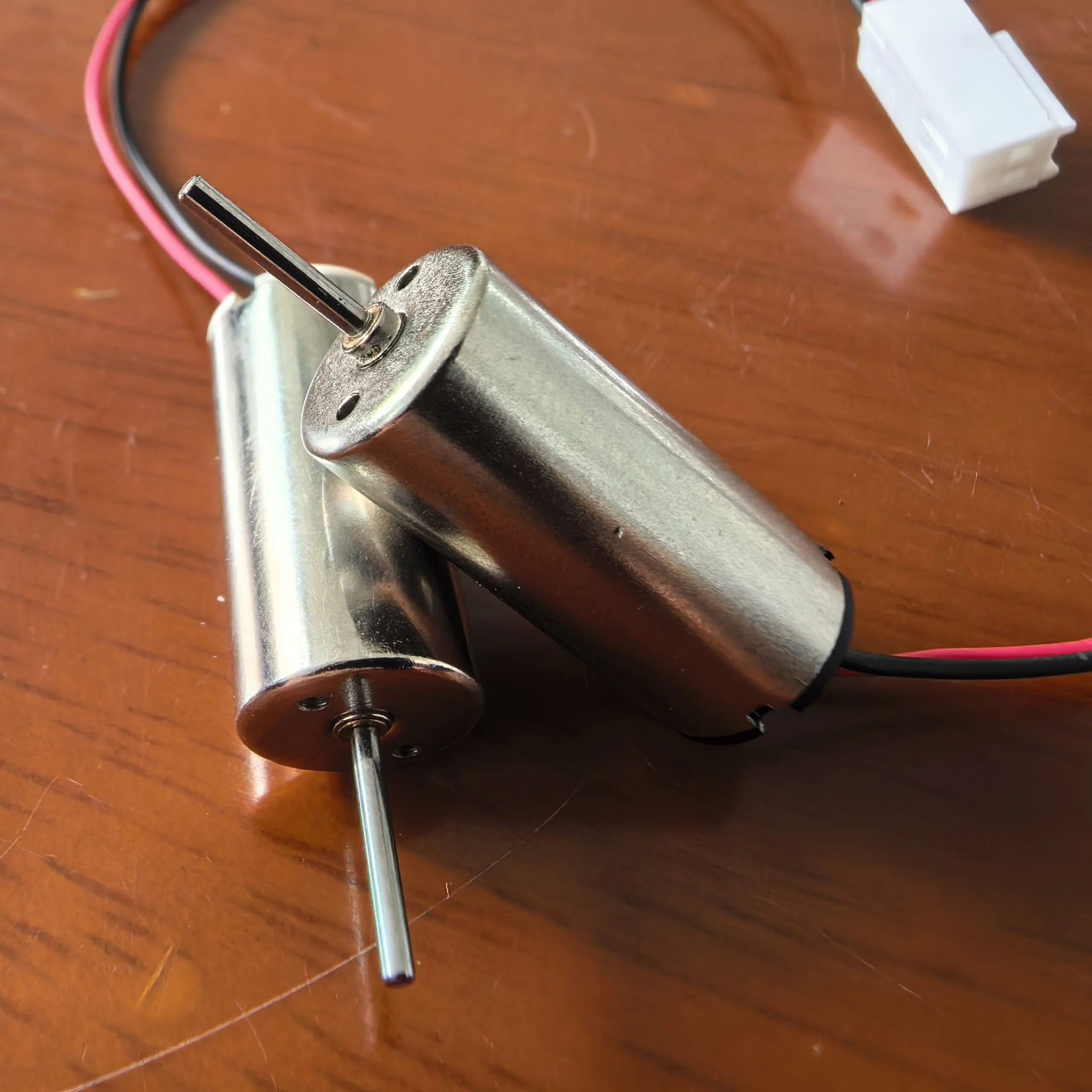
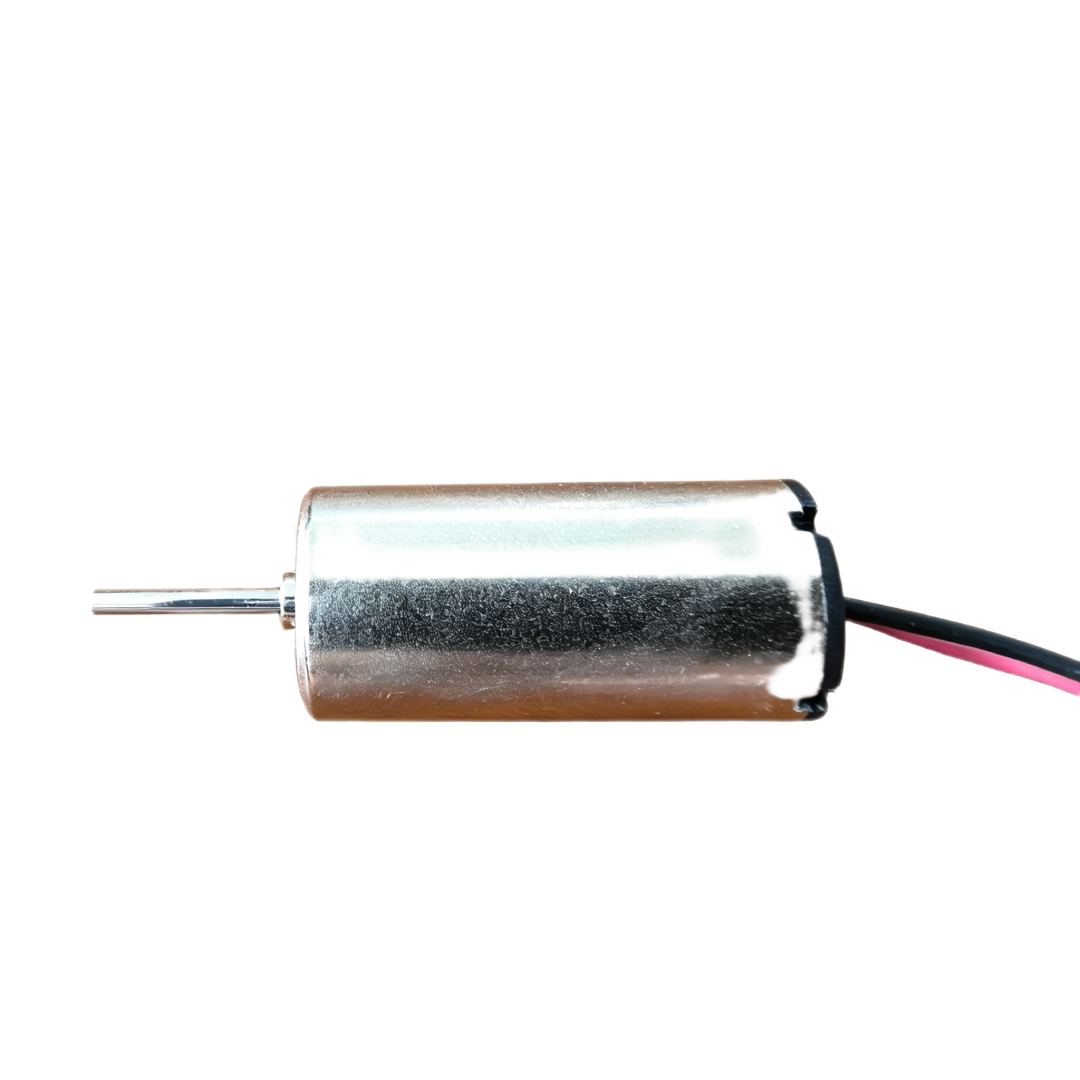
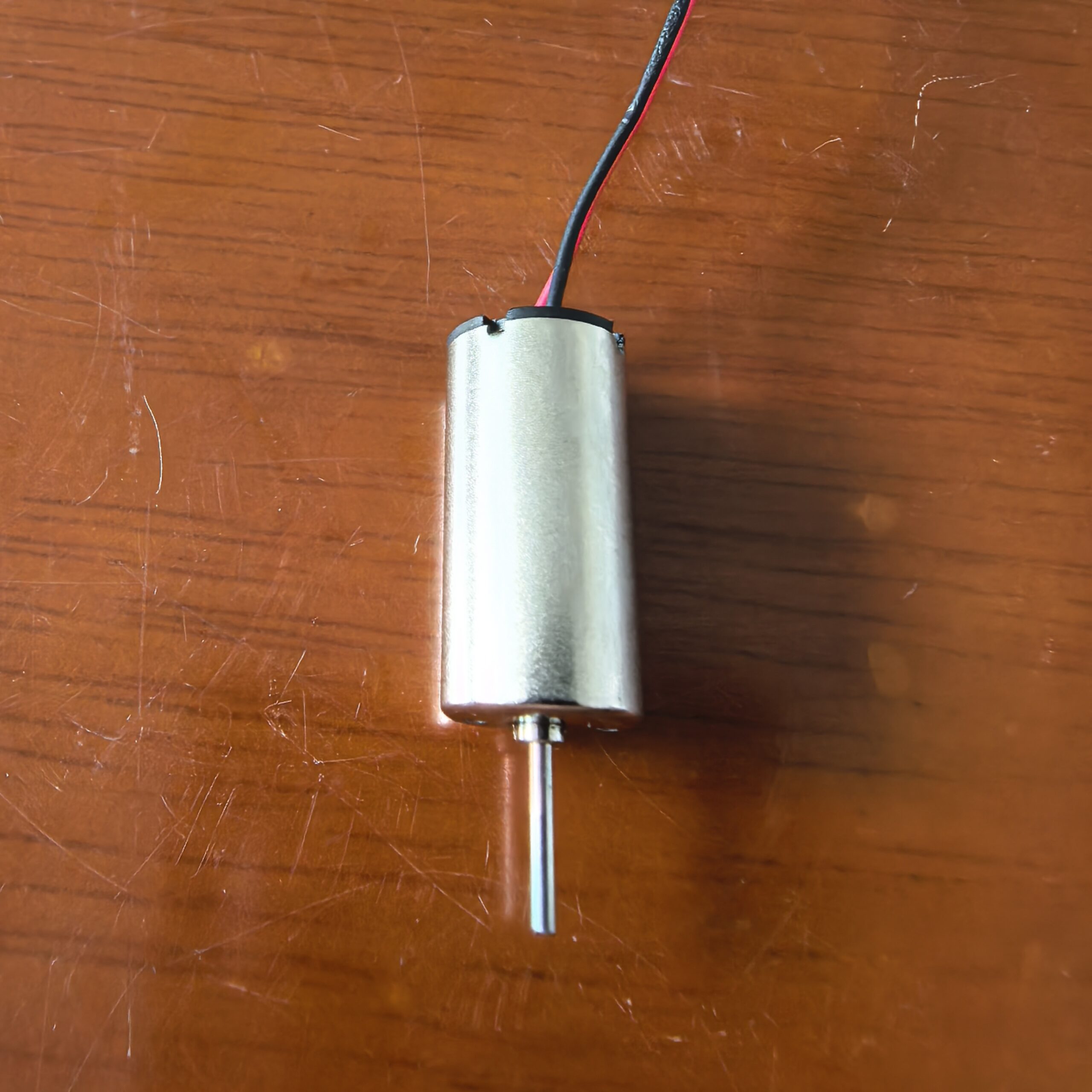
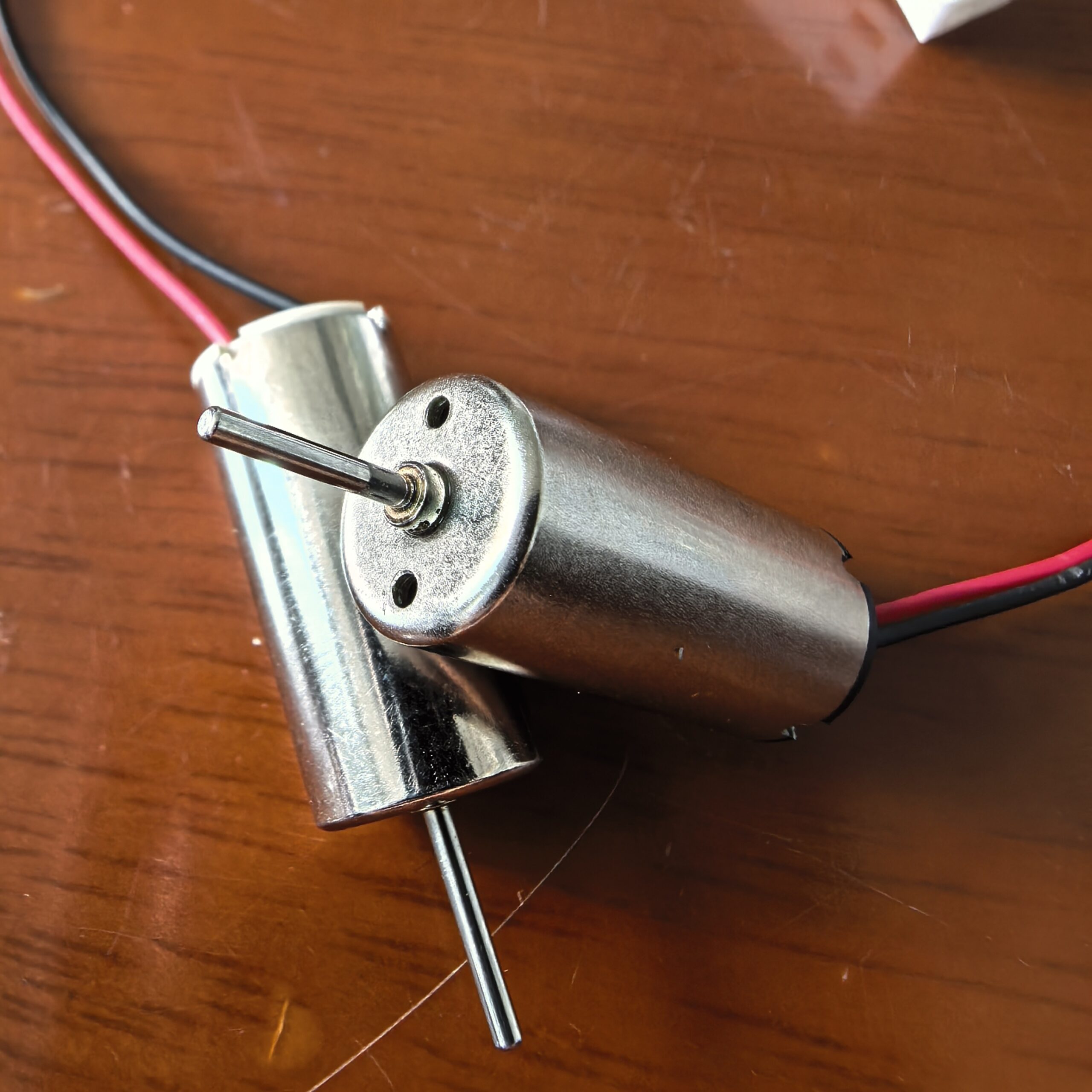
The 10SYYK20D03-N01 combines brushed commutation with a coreless winding structure. Brushes and a commutator direct current through the rotor winding, producing rotation within the permanent magnetic field.
The lightweight rotor construction can respond quickly to changes in drive commands. This characteristic can benefit small mechanisms that perform frequent movement adjustments or repeated operating cycles.
The motor supplies rotary movement rather than inherent position control. Equipment requiring accurate positioning can combine it with a suitable transmission, sensor, and feedback controller.
Key Features
Coreless Rotor Construction
The rotating winding operates without an iron core. This reduces rotor inertia and avoids the magnetic cogging associated with toothed iron-core designs.
Responsive Motion
Low rotor inertia supports rapid changes in rotational speed. Actual acceleration and stopping behavior depend on the connected load, available current, and controller settings.
Brushed DC Operation
Mechanical commutation allows operation from a suitable DC supply without an electronic commutation system. A compatible motor controller can provide additional speed regulation and switching functions.
Adjustable Speed Control
A suitable controller can vary motor speed to match the mechanism’s operating requirements. Feedback may be necessary where the application requires consistent speed despite changing loads.
Integration with Small Mechanisms
The motor can connect to a matching coupling or transmission according to the equipment design. Shaft compatibility, mounting geometry, and allowable loading determine the appropriate mechanical arrangement.
| Parameter | Unit | Specification |
|---|---|---|
| Rated Voltage | V DC | 3 |
| No-Load Speed | rpm | 3500 |
| No-Load Current | A | 0.010 |
| Speed Constant | rpm/V | 1167 |
| Rated Current | A | 0.050 |
| Rated Speed | rpm | 2850 |
| Rated Torque | mN·m | 0.50 |
| Stall Current | A | 0.185 |
| Stall Torque | mN·m | 1.52 |
| Maximum Efficiency | % | 69 |
| Terminal Resistance | Ω | 16.2 |
| Ambient Temperature | °C | −20 to +60 |
| Maximum Permissible Winding Temperature | °C | +80 |
| Noise Level | dB | ≤45 |
| Parameter | Specification |
|---|---|
| Brush Type | Precious Metal Brushes |
| Bearing Type | Oil-Impregnated Bearings |
| Number of Commutator Segments | 5 |
| Number of Pole Pairs | 1 |
| Connection Type | Terminals |
Potential Applications
Depending on its confirmed specifications, the 10SYYK20D03-N01 Brushed Coreless Motor may suit:
- Miniature Actuation Assemblies: Driving small mechanisms that require responsive rotary movement.
- Instrument Mechanisms: Moving adjustable components within compatible instruments.
- Optical Adjustment Devices: Providing rotary input to suitably designed focusing or adjustment mechanisms.
- Portable Electromechanical Equipment: Operating small powered assemblies within the available power budget.
- Automation Components: Performing intermittent movement under an external control system.
Drive and Control Integration
Match the power supply and controller to the motor’s electrical requirements. Startup and stall conditions can draw substantially more current than normal unloaded operation.
Select control settings that accommodate the load without exceeding the motor’s operating limits. Current limiting can help manage excessive torque demand and reduce heating during abnormal conditions.
Where the application requires position or speed verification, incorporate suitable feedback. Timed power application alone does not confirm the final position of the driven mechanism.
Mechanical Installation
Align the motor shaft with the connected component and use a compatible coupling. Avoid pressing or forcing components onto the shaft in a way that could damage the bearings or internal assembly.
Provide separate support where the driven mechanism introduces excessive radial or axial loads. Keep wiring clear of moving parts and protect connections from pulling or repeated bending.
The equipment enclosure should provide suitable heat dissipation. Coreless construction does not eliminate heating, so load and duty-cycle matching remain essential.
Operating Life and Application Matching
Brushes and the commutator experience wear during operation. Service life depends on load, speed, switching frequency, environmental conditions, and the motor’s construction.
Evaluate the required torque, operating speed, movement pattern, and expected service life together. Testing the 10SYYK20D03-N01 within the intended assembly helps assess response, temperature rise, noise, and controller compatibility.

Reviews
There are no reviews yet.