
Description
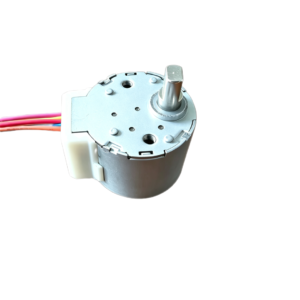
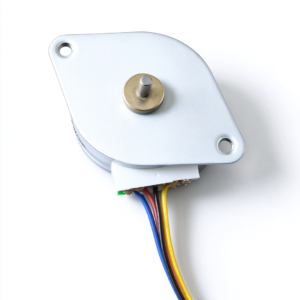
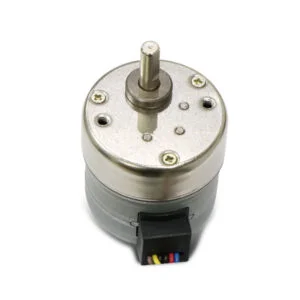
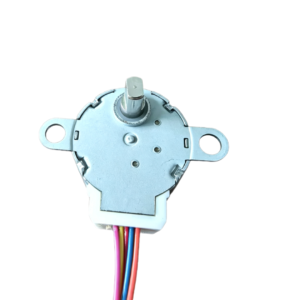
Product Overview
The 30BYJ46 operates through sequential energizing of its windings. The controller manages movement commands, while the driver supplies the winding power needed to produce rotation.
This control method allows motor movement to follow a defined equipment sequence. A mechanism can advance, pause, reverse, or return toward a reference position according to the controller’s instructions.
The complete drive assembly determines practical performance. Transmission resistance, load inertia, operating speed, and driver settings all influence how the mechanism starts and moves.
Key Features
Incremental Rotary Control
The motor responds to an appropriate excitation sequence with step-based rotation. This provides a way to control mechanical adjustments through a compatible electronic system.
Bidirectional Movement
Forward and reverse operation supports mechanisms that need movement in both directions. Applications can include alternating adjustments, return cycles, and opening or closing actions.
Adjustable Motion Timing
A suitable controller manages when movement begins, how long it continues, and when it stops. This allows the motor to coordinate with other functions within an automated assembly.
Speed Control Through Drive Commands
The drive pulse frequency influences movement speed. Acceleration and deceleration settings should suit the connected load to reduce abrupt motion and the risk of missed steps.
Integration with Mechanical Components
The output shaft can connect to a matching coupling, gear, or linkage according to the equipment design. Proper alignment helps transfer movement while limiting unnecessary stress on the assembly.
| Parameter | Option 1 | Option 2 | Option 3 |
|---|---|---|---|
| Model | 30BYJ46 | 30BYJ46 | 30BYJ46 |
| Rated Voltage (DC) | 12 V | 12 V | 12 V |
| Resistance (Ω) | 100 | 120 | 200 |
| Starting Frequency (PPS) | ≥350 | ≥350 | ≥350 |
| Running Frequency (PPS) | ≥800 | ≥800 | ≥600 |
| Torque (mN·m) | ≥147 | ≥78.4 | ≥58.8 |
| Detent Torque (mN·m) | ≥78.4 | ≥39.2 | ≥39.2 |
| Step Angle | 7.5°/85 | 7.5°/85 | 7.5°/85 |
| Insulation Class | E | E | E |
| Noise Level (dB) | <40 | <40 | <40 |
Potential Applications
Depending on its confirmed specifications and installation requirements, the 30BYJ46 Stepper Motor may suit:
- Appliance Adjustment: Movement of internal selectors, guides, or other adjustable components.
- Instrument Mechanisms: Rotary adjustment within compatible indicators and control assemblies.
- Small Actuation Devices: Intermittent movement of mechanisms with suitable load requirements.
- Automated Equipment: Repeated adjustments coordinated with switches, sensors, or programmed commands.
- Positioning Assemblies: Movement between selected operating positions within a defined travel range.
Driver and Controller Compatibility
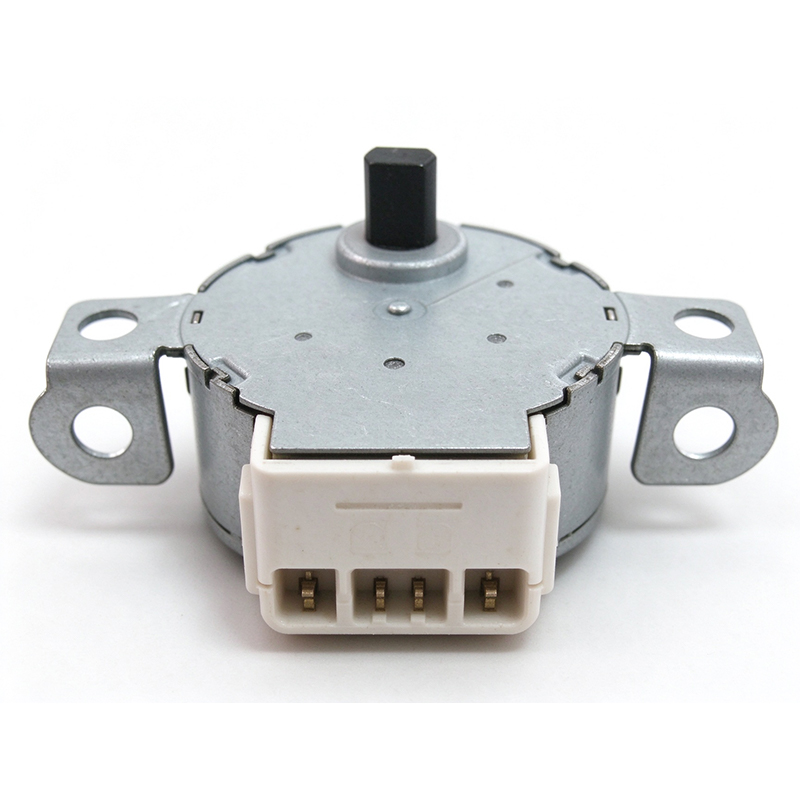
Match the driver to the motor’s winding arrangement and electrical requirements. Check connector assignments and the required excitation sequence before operation.
The controller should use a motion profile appropriate to the mechanism. Loads with greater inertia or changing resistance may require gradual acceleration and slower direction changes.
For applications requiring confirmation of actual position, a reference switch or suitable feedback device can supplement step commands. This helps establish a known starting point or verify completion of a movement.
Installation and Assembly
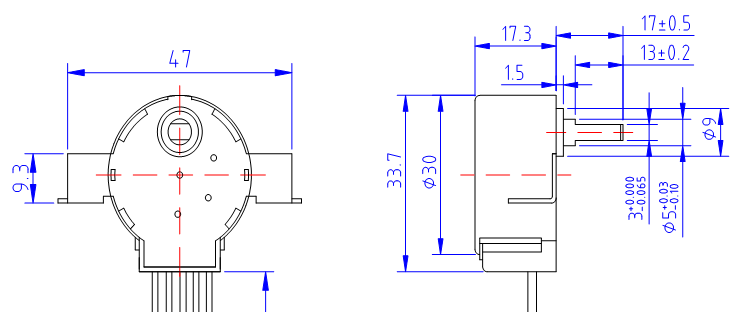
Verify the mounting dimensions, shaft geometry, and available clearance against the product drawing. Use a mounting structure that keeps the motor aligned with the driven component.
Avoid forcing a coupling into place or applying excessive axial or radial loads. Provide separate support where the driven mechanism requires it.
Keep wiring clear of moving parts and protect connections from pulling or repeated bending. Allow appropriate heat dissipation within the equipment enclosure.
Application Matching
Consider the required torque, movement speed, duty cycle, and positioning needs together. Include friction, transmission backlash, and load changes throughout the operating cycle.
Testing the 30BYJ46 within the intended assembly helps evaluate starting behavior, direction changes, movement consistency, and temperature rise. These results support the selection of suitable drive settings for the finished equipment.

Reviews
There are no reviews yet.