
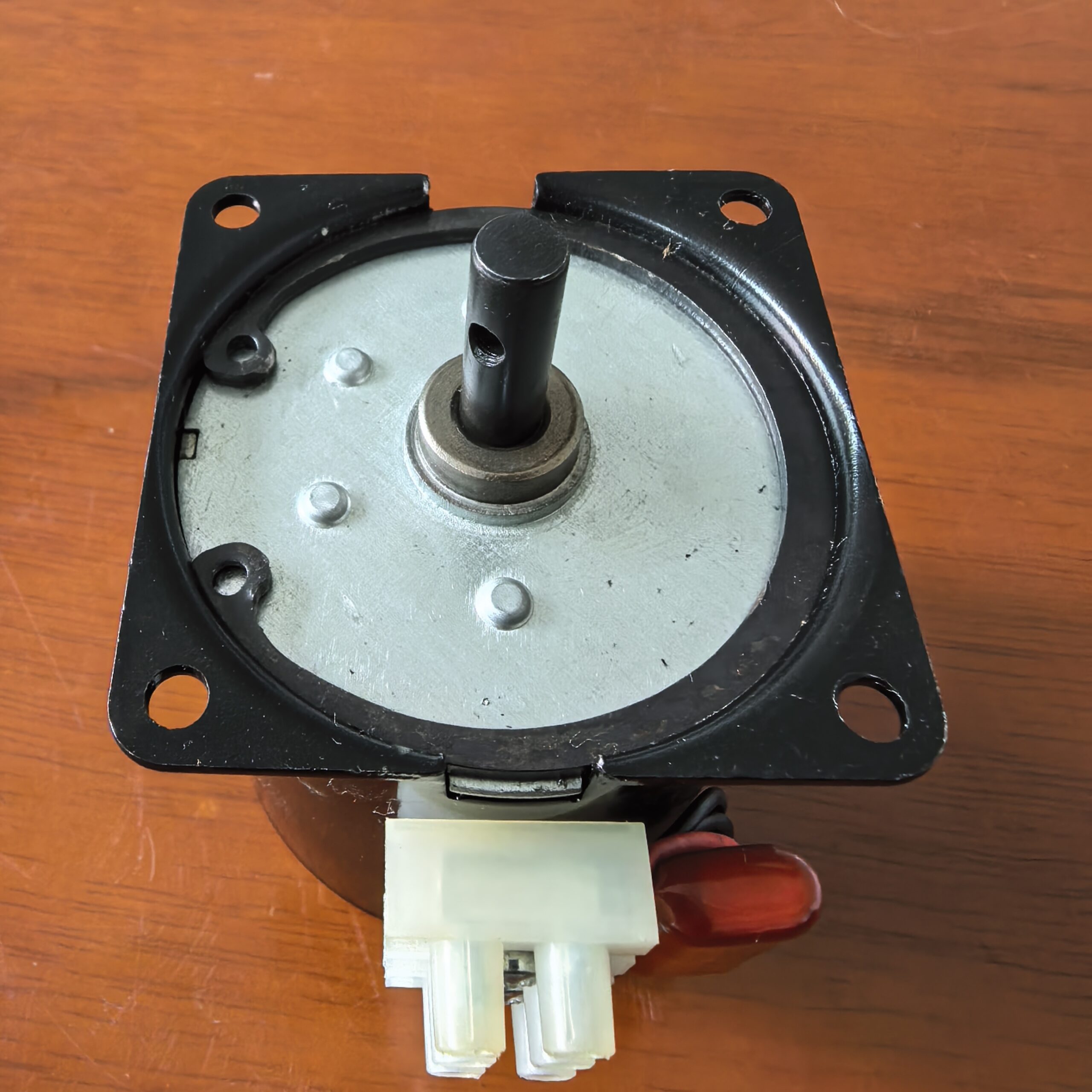
Description
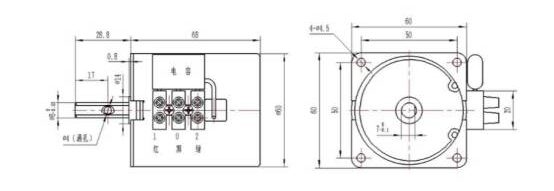
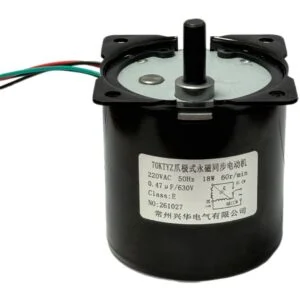
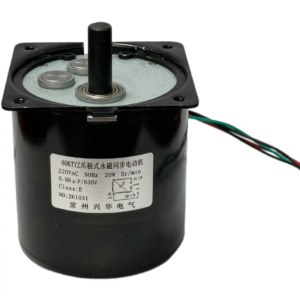
68KTYZ Permanent Magnet Synchronous Motor – Dimensional Drawing (mm)
Product Overview
The 68KTYZ uses permanent magnet synchronous technology to convert electrical power into mechanical rotation. During synchronous operation, rotor speed depends on the supply frequency and motor pole arrangement. Any fitted reduction gearing determines the final output speed.
This operating principle can support equipment where consistent movement matters throughout a working cycle. An external control system can coordinate motor operation with timers, switches, sensors, or other machine functions.
Successful integration requires consideration of the complete drive assembly. Starting resistance, transmission friction, load inertia, and installation conditions all affect practical performance.
Key Features
Permanent Magnet Synchronous Design
The permanent magnet rotor interacts with the stator’s rotating magnetic field. Within the motor’s operating capability, this interaction maintains synchronous rotation under the applied load.
Consistent Rotary Movement
A stable supply frequency supports consistent running speed while the motor remains in synchronism. This characteristic suits compatible mechanisms that require uniform movement during operation.
AC Drive Integration
The motor works with an AC supply and connection arrangement appropriate to the selected version. Correct electrical matching supports the intended operating behavior.
Timed and Intermittent Operation
An external controller can manage operating periods and pauses according to the equipment sequence. The selected motor’s duty rating must accommodate the required cycle.
Connection to Driven Assemblies
A matching coupling, gear, or linkage transfers shaft rotation to the mechanism. Suitable alignment and mechanical support help avoid unnecessary stress on the motor and transmission.
Potential Applications
Depending on its confirmed specifications and operating requirements, the 68KTYZ Permanent Magnet Synchronous Motor may suit:
- Display Rotation: Driving presentation platforms and moving display components.
- Appliance Mechanisms: Operating internal assemblies that require steady rotary movement.
- Automated Equipment: Providing rotation coordinated with external control commands.
- Timed Drive Assemblies: Moving mechanisms during selected parts of an operating cycle.
- Instrument Mechanisms: Driving compatible components where consistent running speed supports the equipment function.
Rotation Direction and Switching
Confirm the rotation characteristics of the selected motor version before installation. Equipment requiring reversible movement needs a configuration and wiring arrangement that support direction control.
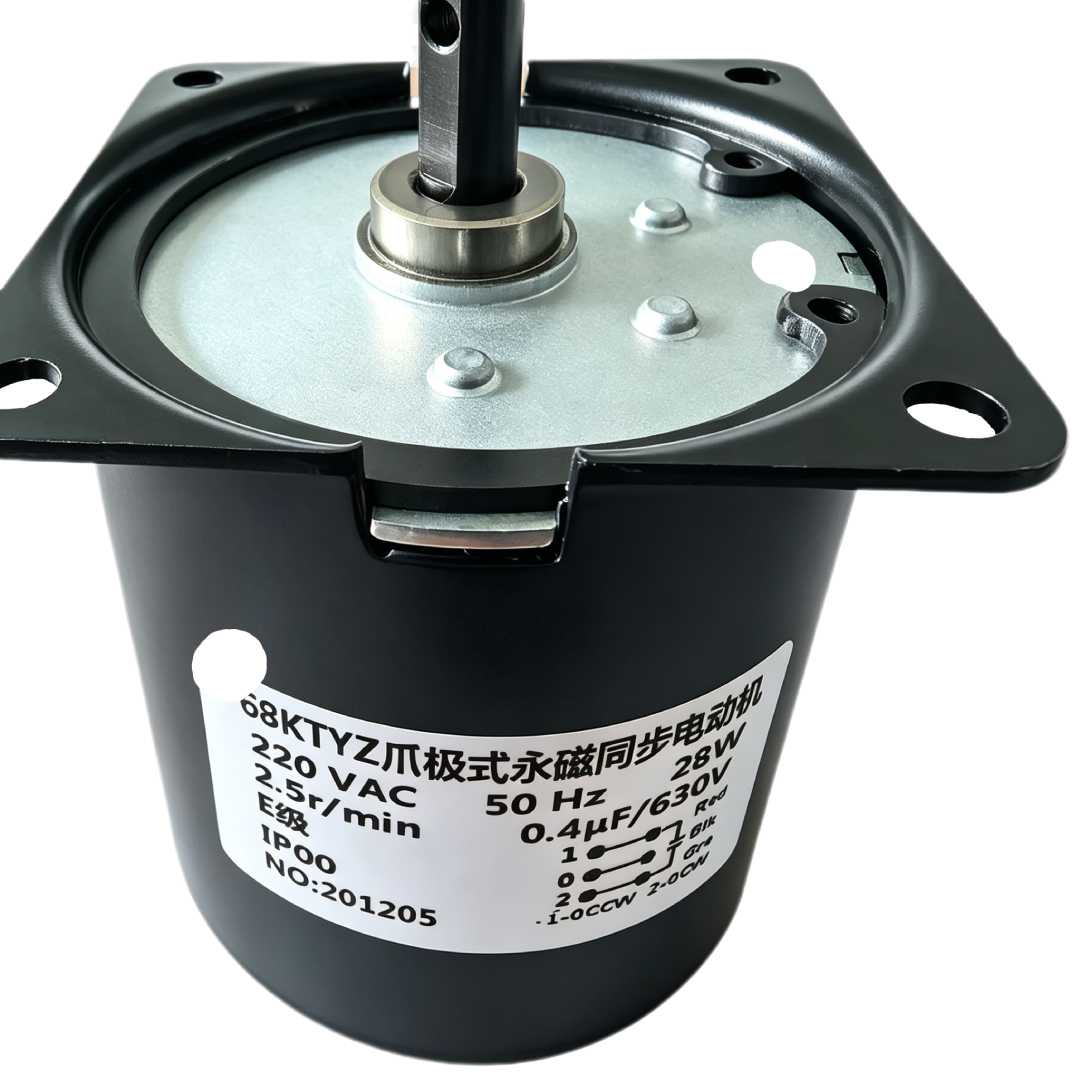
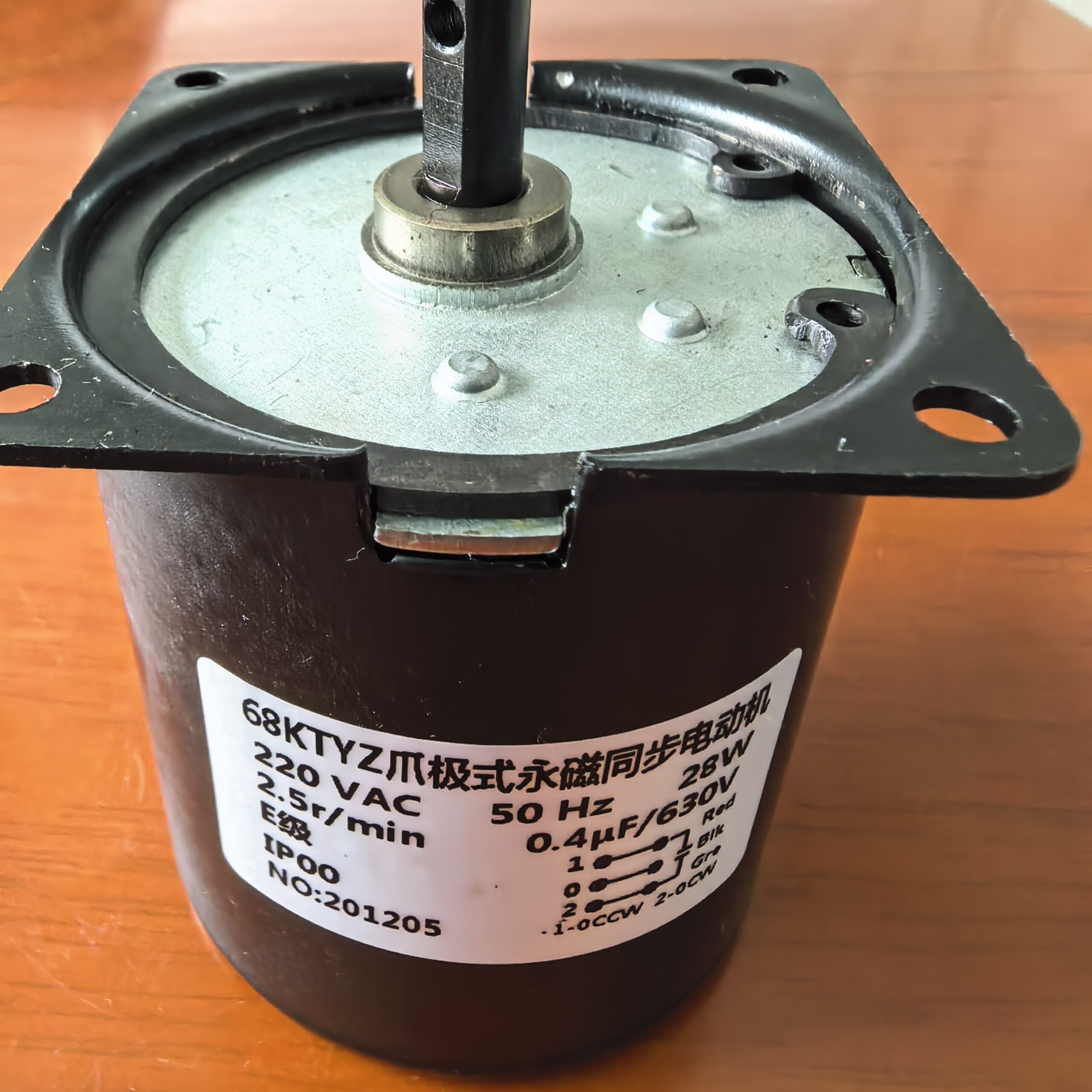
Follow the applicable wiring diagram for the supply connection and any required external components. Capacitor requirements and switching methods depend on the specific motor version.
Where the mechanism requires defined stopping positions, suitable switches or sensors can help establish the stopping point. Synchronous running speed alone does not provide position feedback.
Mechanical Installation
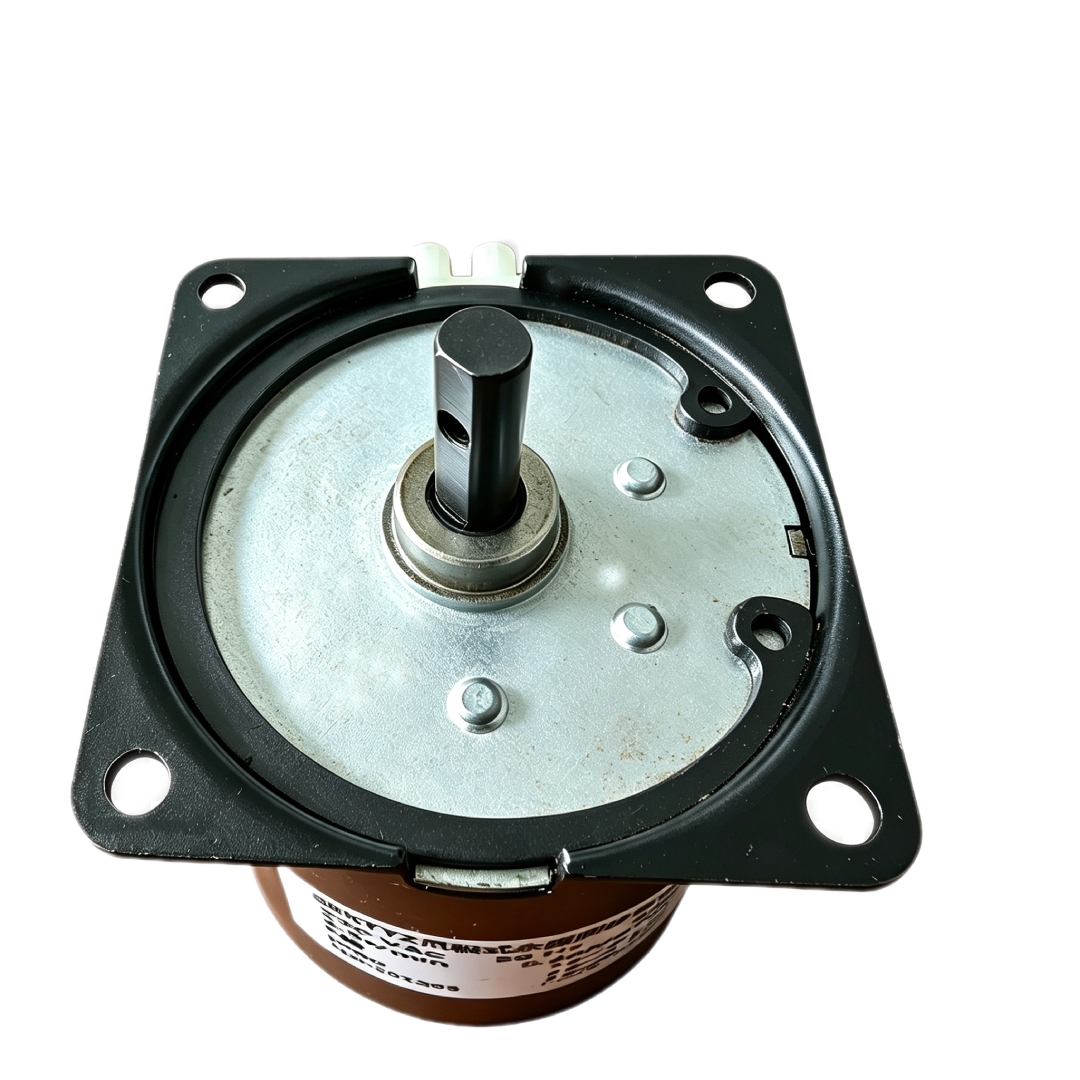
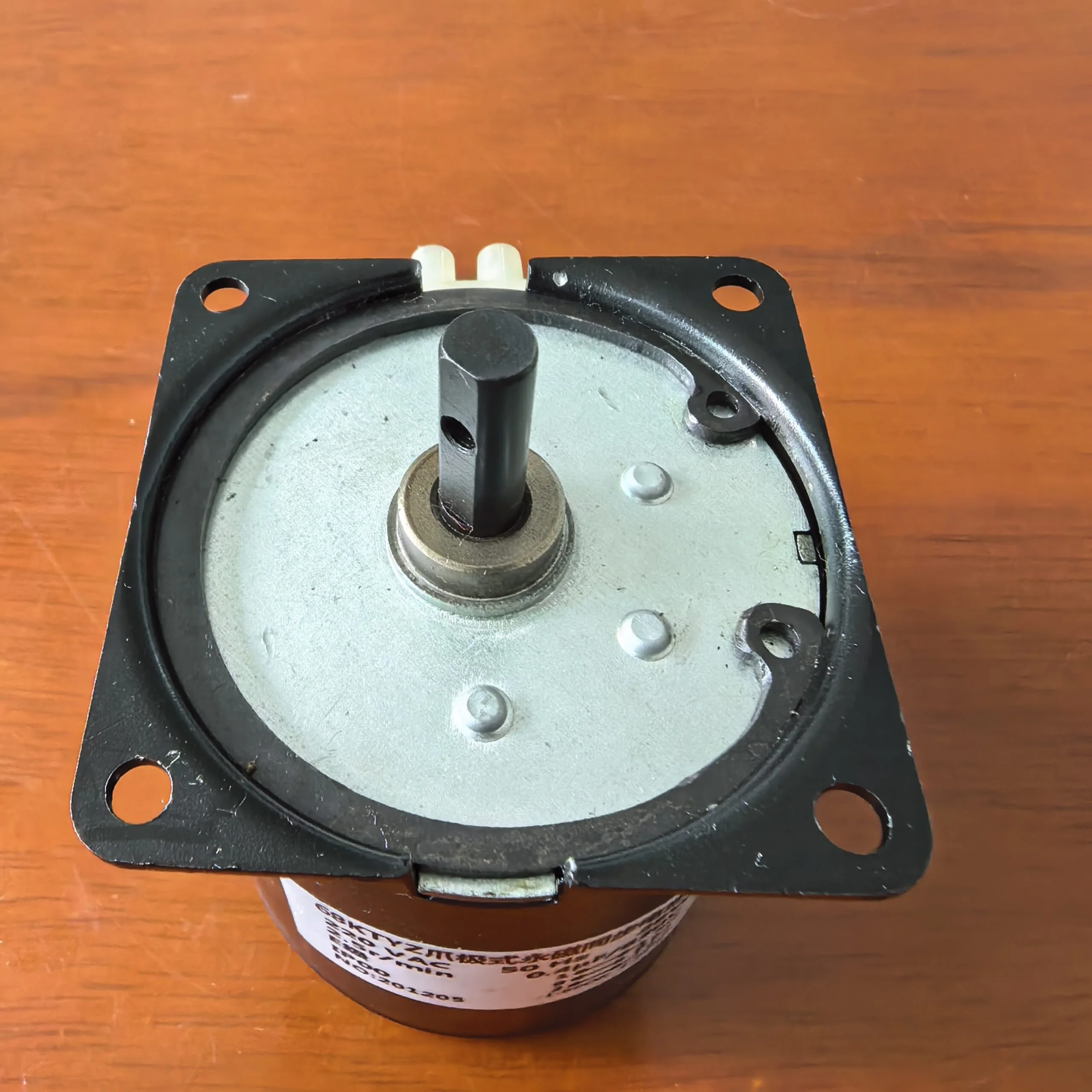
Mount the motor on a secure structure that maintains alignment with the driven assembly. Verify the mounting points, shaft geometry, coupling fit, and surrounding clearance against the product drawing.
Avoid excessive axial or radial loading on the output shaft. Provide separate support when the driven component introduces loads beyond the motor’s allowable limits.
Route wiring away from rotating parts and protect connections from vibration or pulling. The enclosure should allow suitable heat dissipation under the intended operating conditions.
Load and Duty Considerations
Assess starting torque and running load separately. A mechanism may require additional torque during startup because of static friction or load inertia.
Repeated starts, extended running periods, and changes in load can affect temperature rise. The equipment’s operating cycle should remain within the selected configuration’s duty requirements.
Excessive resistance can prevent startup or cause loss of synchronism. Testing the 68KTYZ within the intended assembly helps evaluate starting behavior, speed consistency, noise, and temperature rise before final integration.

Reviews
There are no reviews yet.