
Description
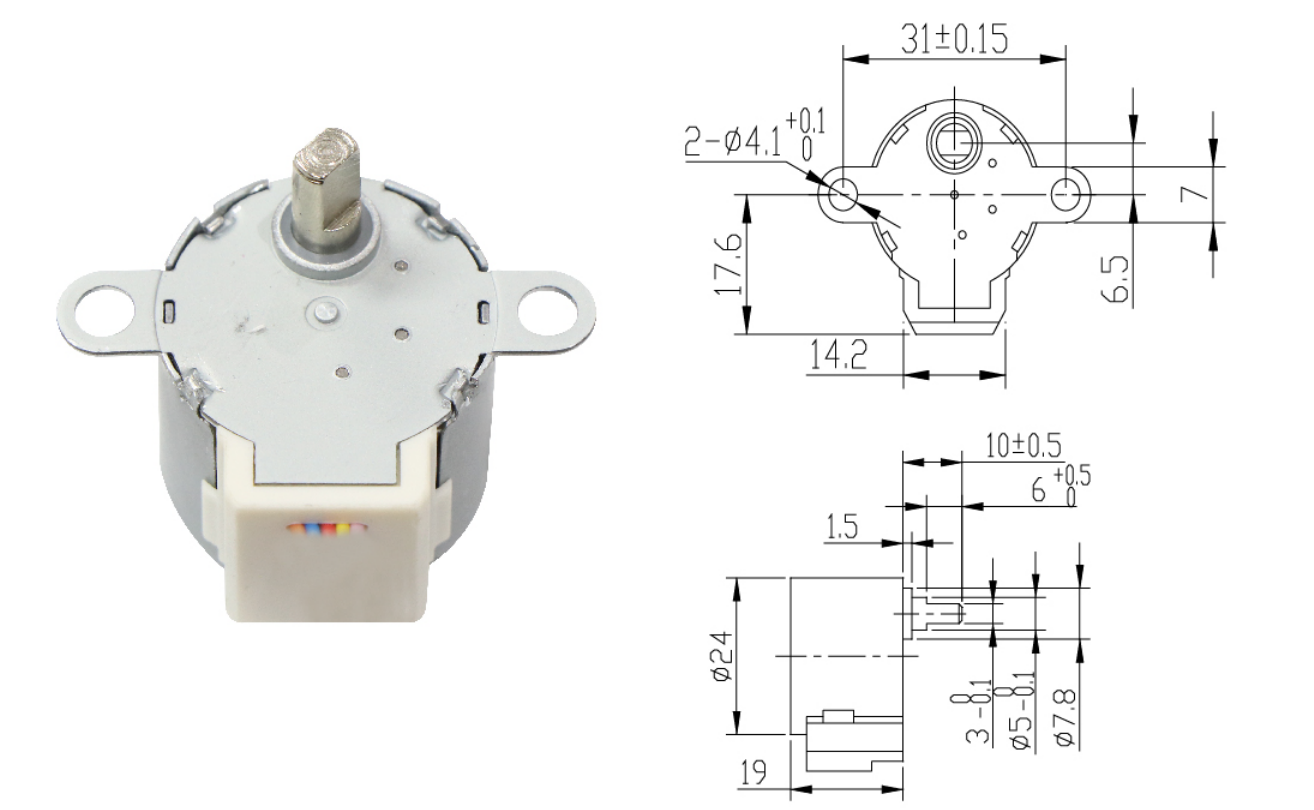
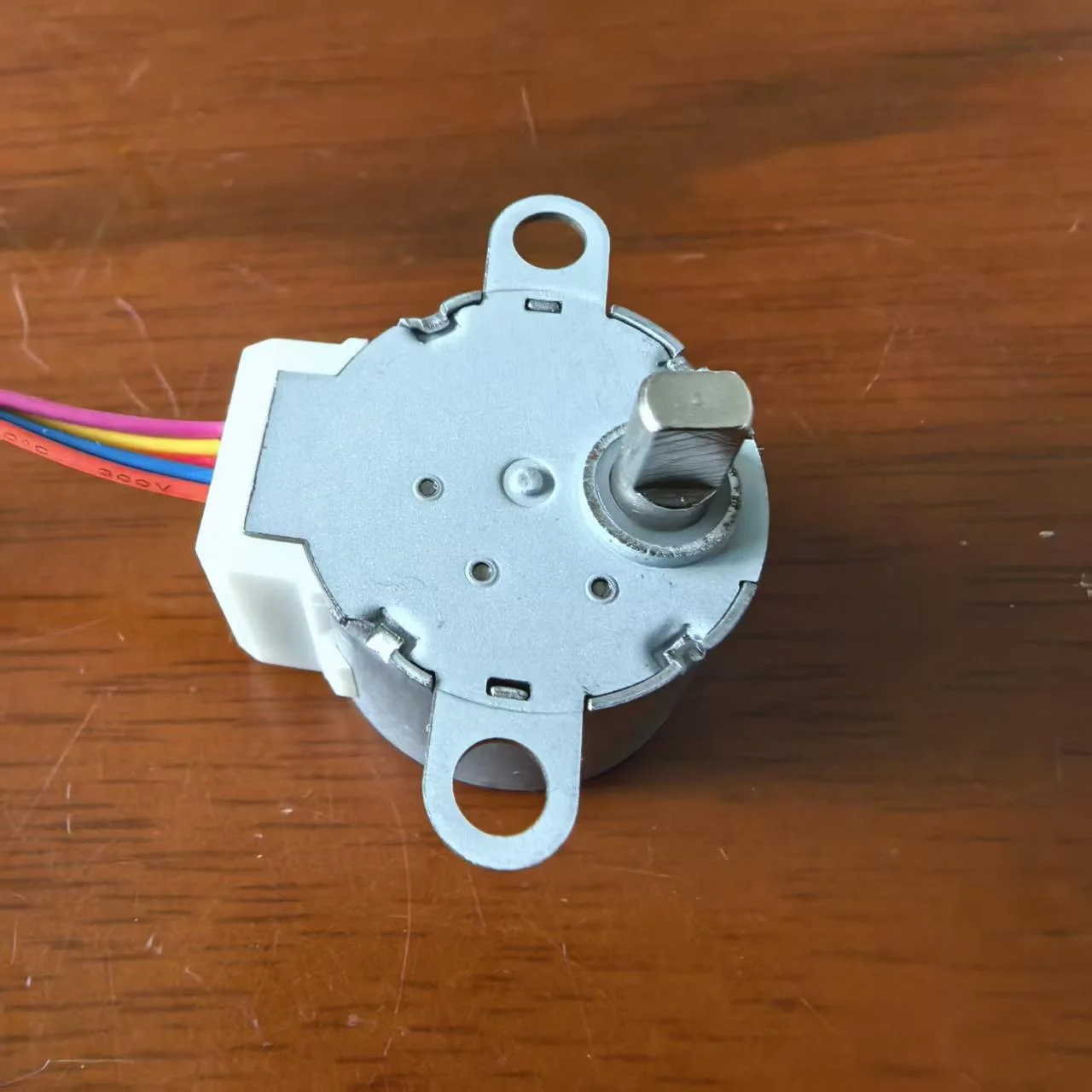
Product Overview
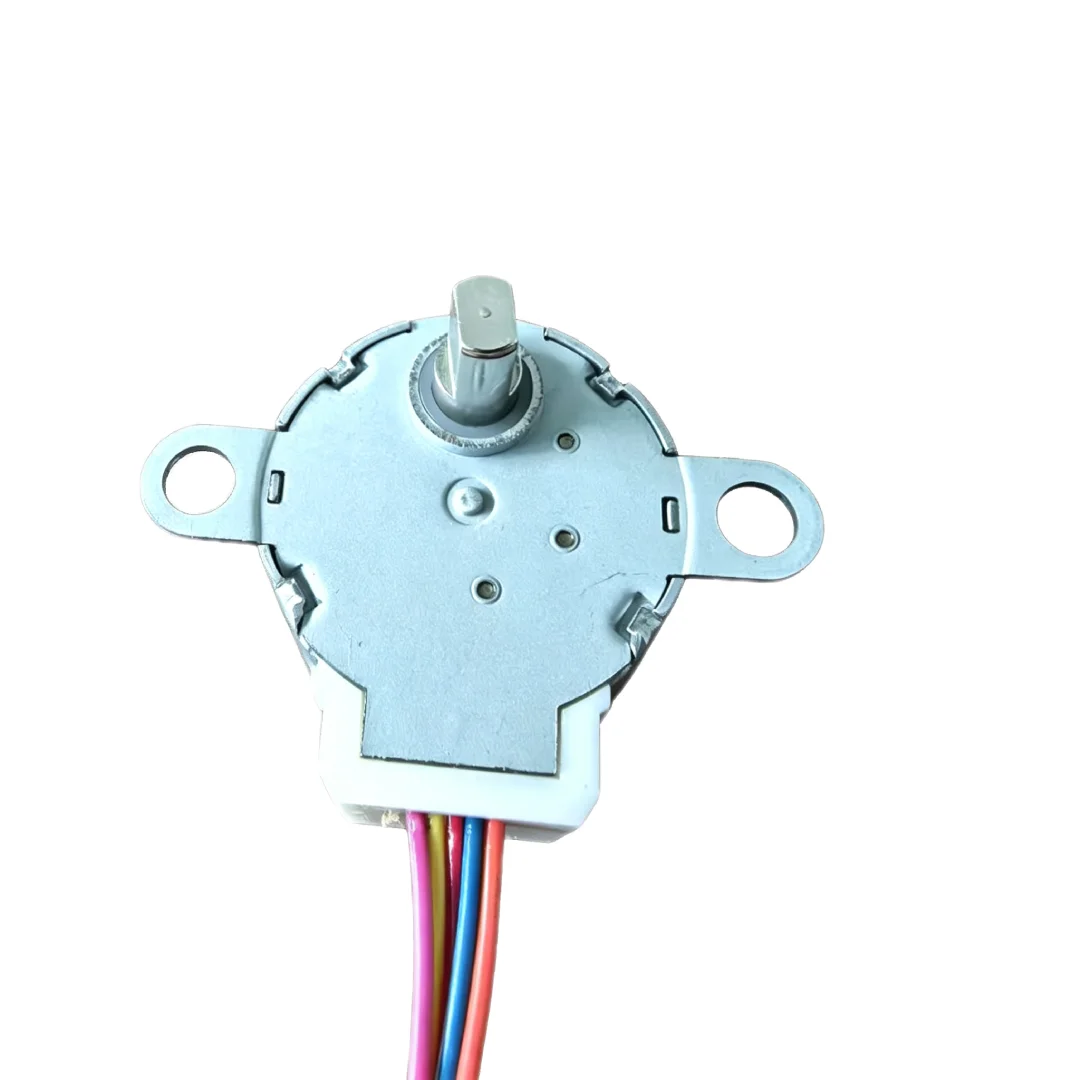
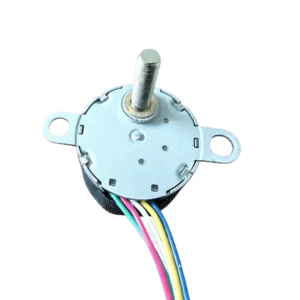
The 24BYJ48 offers a motion control option for equipment that requires controlled starting, stopping, and direction changes. A suitable controller manages movement through the excitation sequence and pulse frequency.
Motor selection depends on the required output torque, operating speed, installation dimensions, and duty cycle. Matching the motor and driver to the application helps maintain consistent operation under the intended load.
Key Features
- Step-Based Movement: Produces incremental rotation for mechanical positioning and adjustment.
- Direction Control: Supports forward and reverse rotation through the appropriate excitation sequence.
- Speed Adjustment: Allows operating speed adjustment through pulse frequency within the motor’s working range.
- Controller Integration: Operates with a compatible driver and control system.
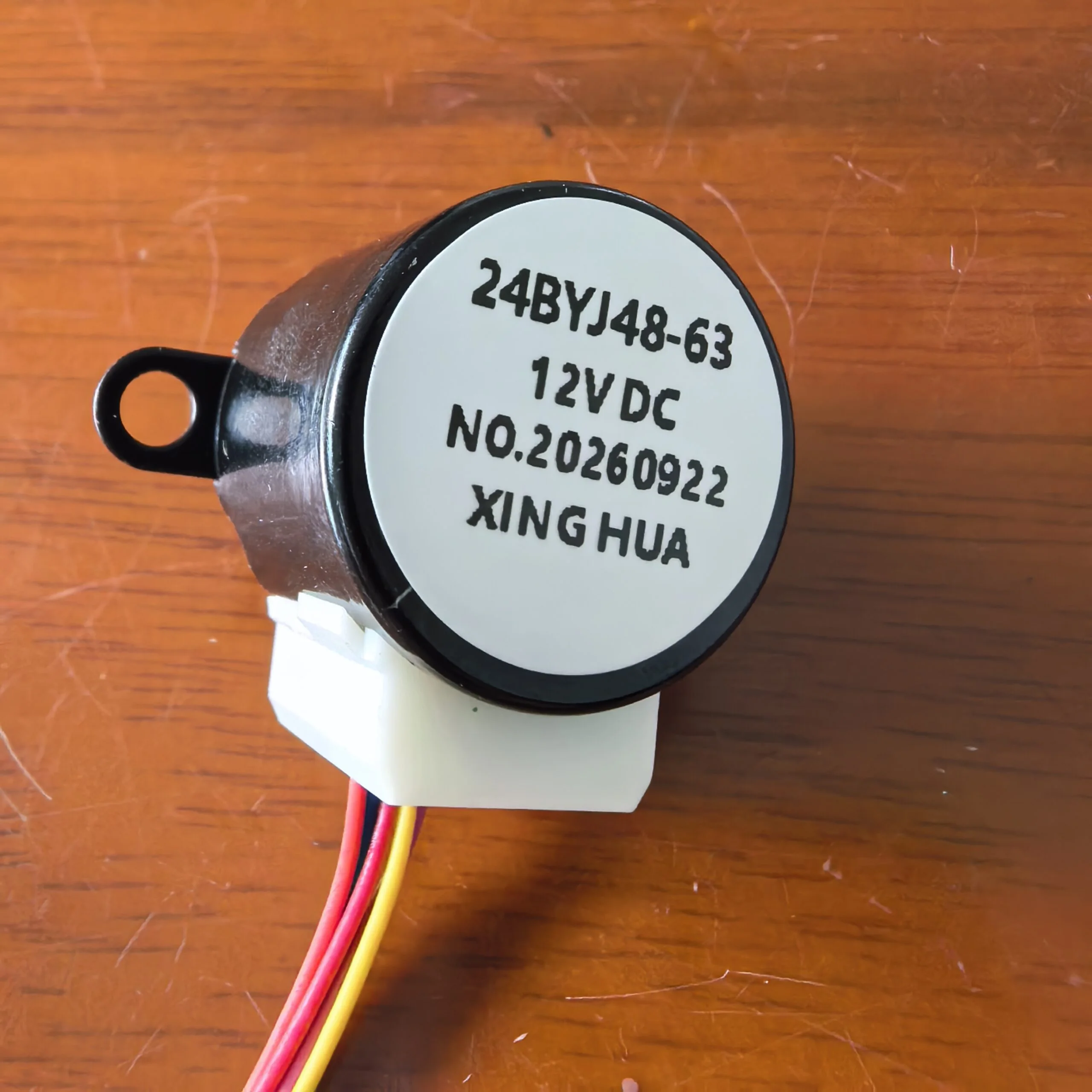
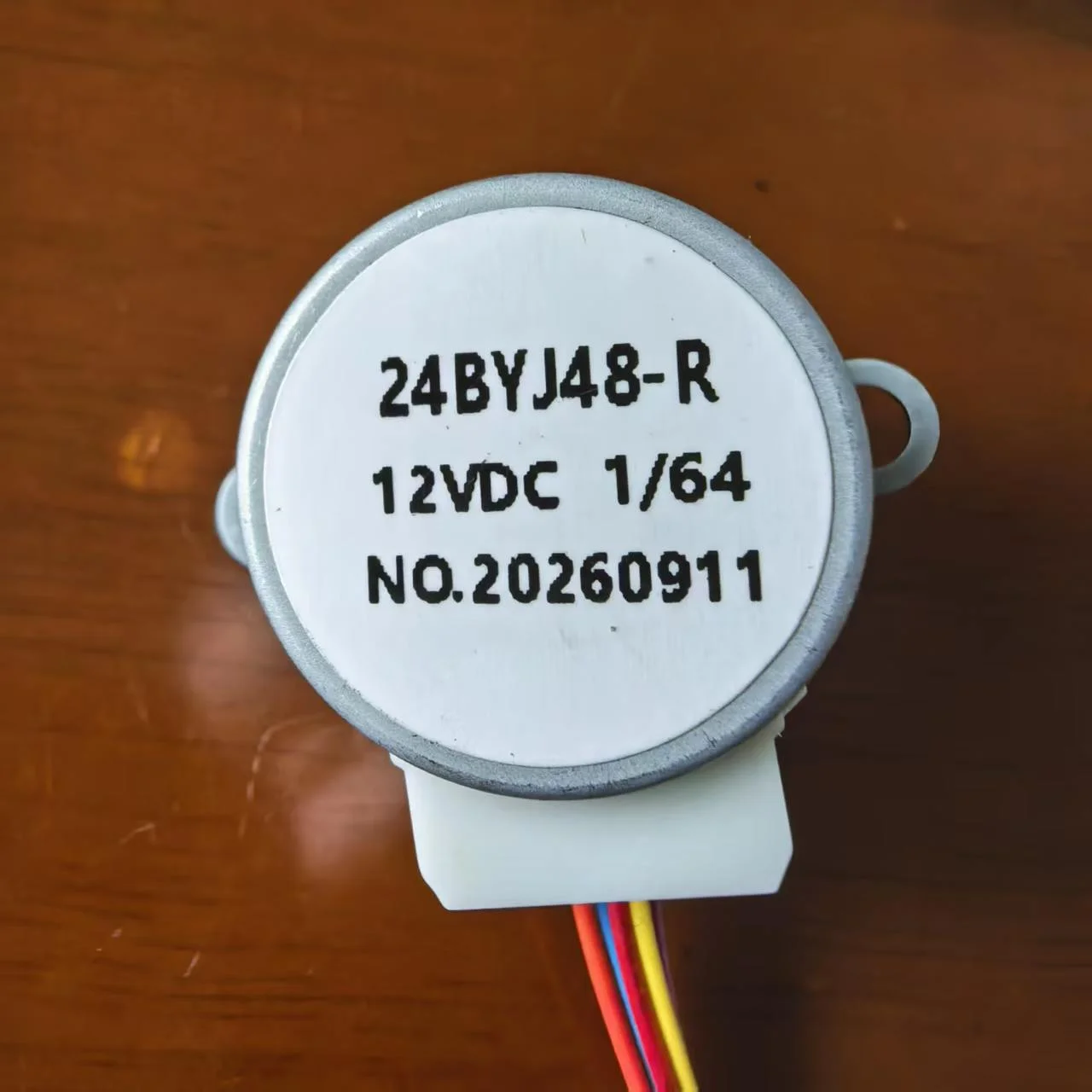
| Parameter | Option 1 | Option 2 | Option 3 | Option 4 | Option 5 | Option 6 |
|---|---|---|---|---|---|---|
| Model | 24BYJ48 | 24BYJ48 | 24BYJ48 | 24BYJ48 | 24BYJ48 | 24BYJ48 |
| Rated Voltage (DC) | 12 V | 12 V | 12 V | 12 V | 12 V | 5 V |
| Resistance (Ω) | 380 | 100 | 150 | 200 | 200 | 70 |
| Starting Frequency (PPS) | ≥500 | ≥500 | ≥500 | ≥500 | ≥300 | ≥500 |
| Running Frequency (PPS) | ≥900 | ≥900 | ≥900 | ≥900 | ≥600 | ≥900 |
| Torque (mN·m) | ≥29.4 | ≥29.4 | ≥29.4 | ≥29.4 | ≥9.8 | ≥29.4 |
| Detent Torque (mN·m) | ≥29.4 | ≥29.4 | ≥29.4 | ≥29.4 | ≥7.35 | ≥29.4 |
| Step Angle | 5.625°/85 | 5.625°/16 | 5.625°/32 | 5.625°/64 | 5.625°/16 | 5.625°/64 |
| Insulation Class | E | E | E | E | E | E |
| Noise Level (dB) | <35 | <35 | <35 | <35 | <35 | <35 |
Potential Applications
Depending on its confirmed specifications, the 24BYJ48 Stepper Motor may suit:
- Household appliance adjustment mechanisms
- Instrument positioning assemblies
- Small automated control devices
- Display and indicator mechanisms
- Compact rotary actuators
Drive and Installation Considerations
Match the driver to the motor’s rated voltage, winding configuration, and current requirements. Check the wiring sequence before operation.
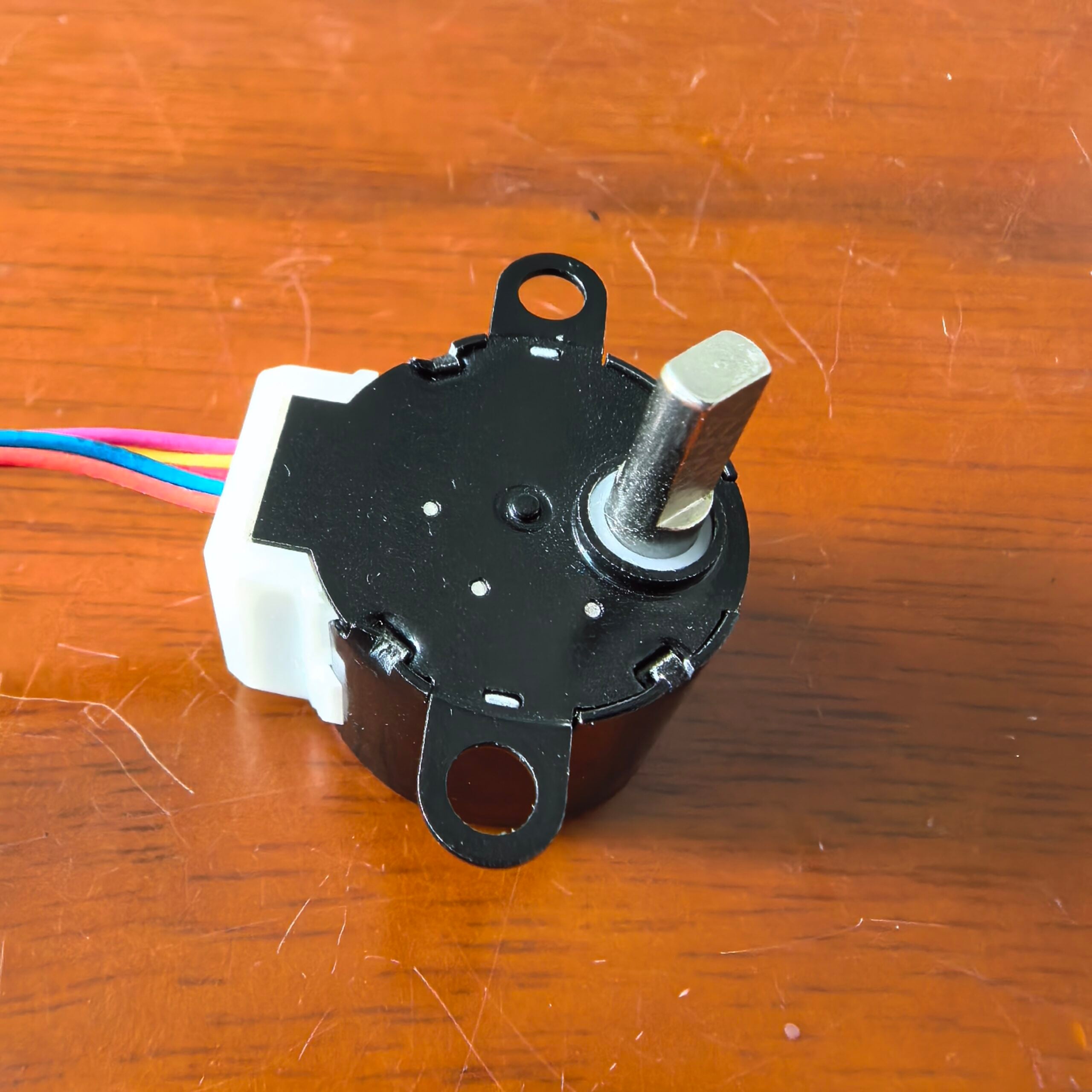
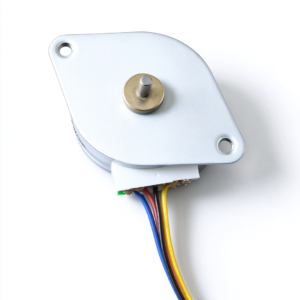
Verify the mounting dimensions, shaft shape, and coupling compatibility during mechanical installation. Keep the shaft aligned with the driven mechanism and avoid loading beyond the specified limits.
For repeated positioning tasks, consider load variation, acceleration, and transmission backlash. Suitable speed profiles help reduce the risk of missed steps during starting and direction changes.

Reviews
There are no reviews yet.